
Estonia’s first coin, banknote, and securities catalog
The only Estonian catalog where coins, banknotes, and securities are all in one place.
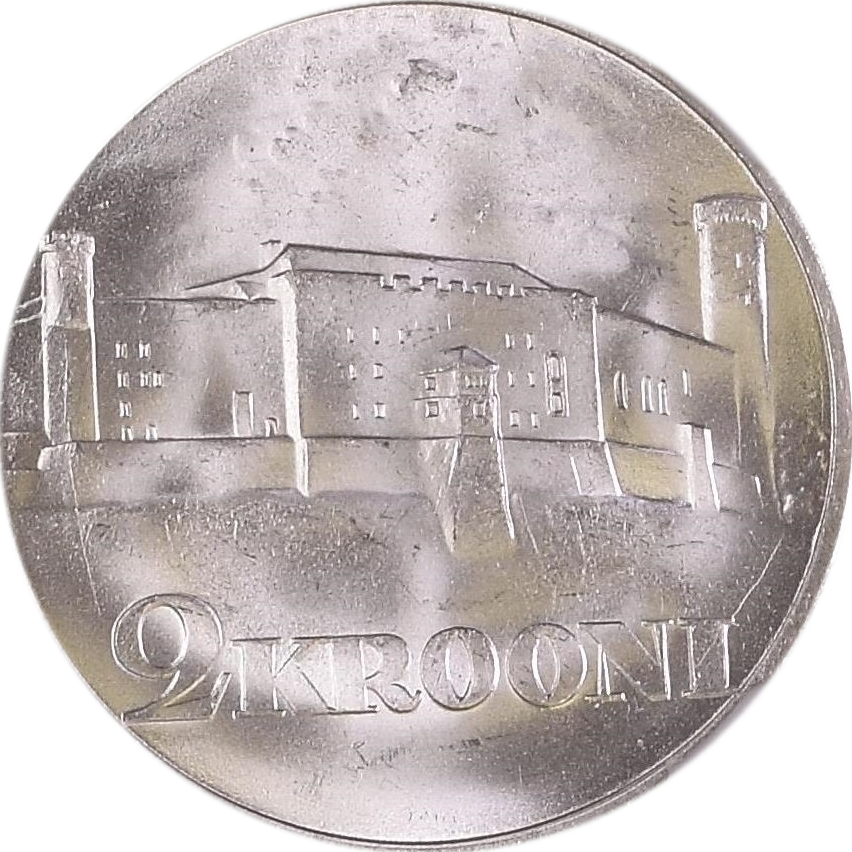
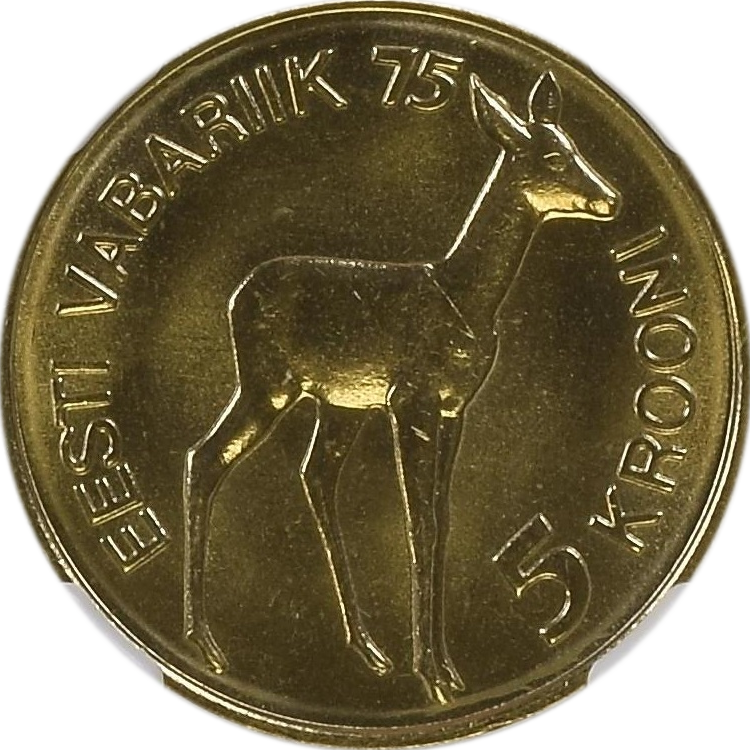
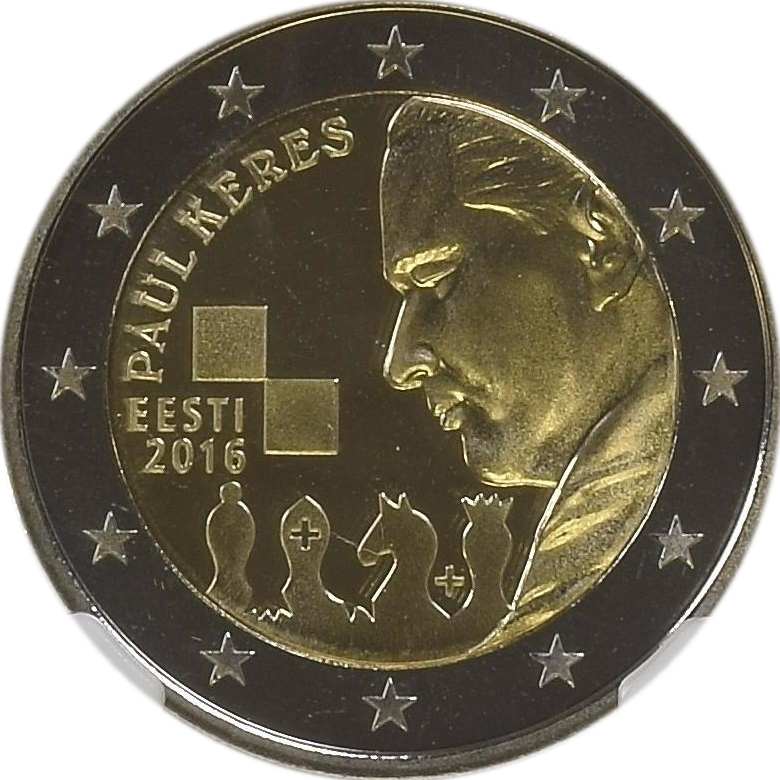
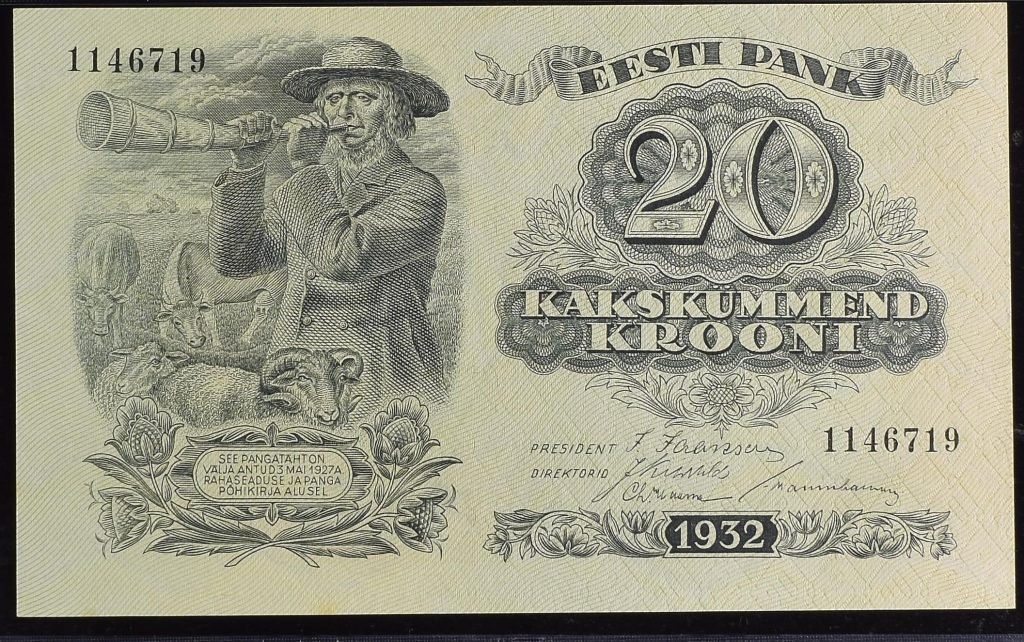
Nine years of experience in Estonian numismatics
We have been engaged in collecting and appraising Estonian coins and banknotes for over nine years. During that time we have certified more than 1,500 coins through NGC and PCGS and examined over 50,000 individual items.
Our focus is specific: we deal exclusively with the currencies that circulated in Estonian territory, namely the coins of tsarist Russia, the marks of the Republic of Estonia (1918–1927), the kroon coinage (1928–1940), the kroon of the restored republic (1992–2011), and the euro coins (2011 to the present).
NGC and PCGS certification is not merely a procedure; it is a strategy. Poor preparation can mean a grade one step lower, and with it a lower market value. Our experience helps you avoid the most common mistakes.
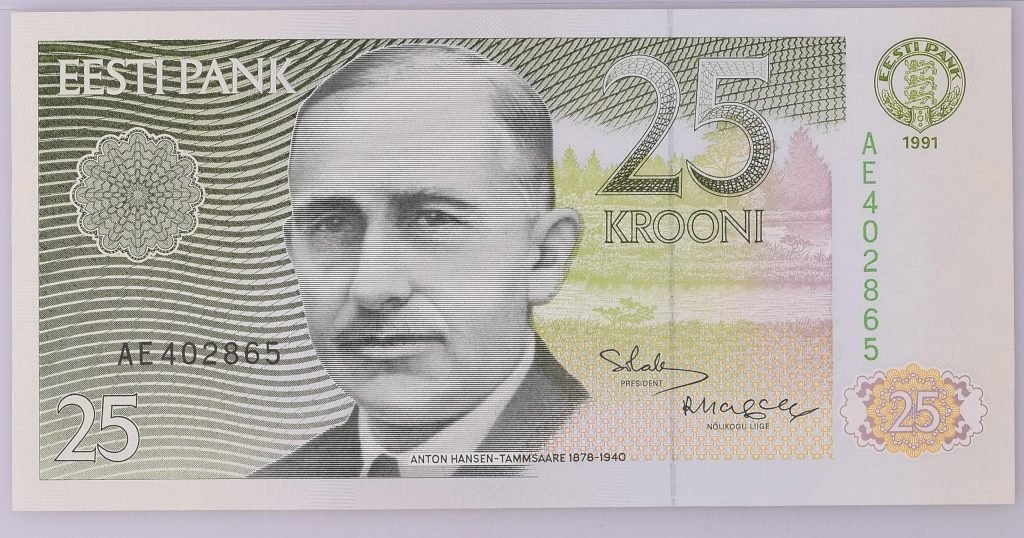
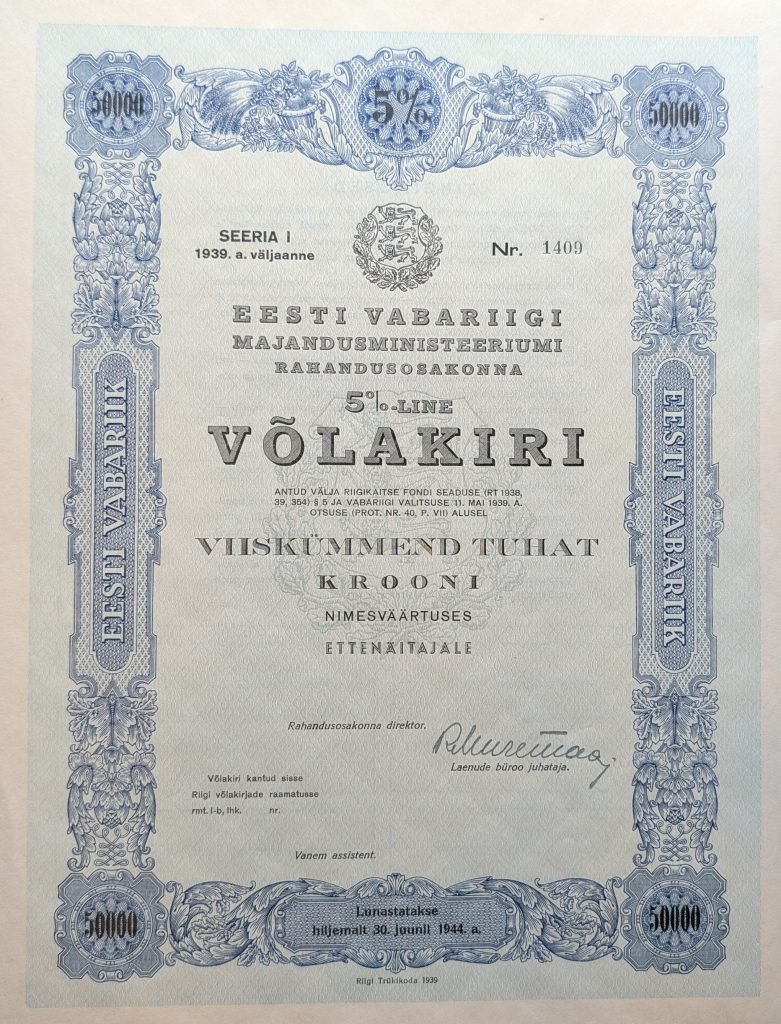
In addition to coins, we work with Estonian banknotes and securities. Our catalog is the first in Estonia to bring all three categories together in one place, complete with photographs, varieties, and full listings.
What we offer you
If you have something special to sell, such as a rare Estonian coin, a certified example, or an old collection, we will make you a fair offer.
Offer your coinsSend us a photo of your coin and we will give you a preliminary estimate of its value. For a more precise certified grade, we can help arrange the NGC or PCGS process.
Request an appraisalEverything you should know before your first purchase: Estonian coin prices, articles, and guides. Follow us on social media as well.
Read the articlesNumismatics history
Numismatics, a mysterious bridge to the past, opens the door to the hidden treasures of ancient civilizations, allowing us to touch tangible traces of history preserved in coins and medals. Like time travelers plunging into the depths of millennia, numismatists take on a fascinating task: to study and understand the cultures, art, economies, and even philosophies of the past, recorded in these small pieces of metal.
The term “numismatics” itself comes from Greek, from the word νόμισμα (nomisma), meaning “coin.” Yet it is far more than mere coin collecting. It is storytelling through metal chronicles that have survived for centuries, even millennia. Every coin and medal is like a chapter in the story of humankind: a hidden secret waiting to be discovered, with its own unique tale to tell.
The first known coins were struck around 600–650 BC in Lydia, in what is now Turkey: hand-struck pieces made of electrum, a natural alloy of gold and silver. Coin collecting is one of the oldest of all hobbies. As early as ancient Rome, emperors and nobles collected rare coins, which is why numismatics has been called “the hobby of kings.” Emperor Augustus, for example, even gave coins from his collection as gifts.
Collectors value coins by their condition, rarity, history and aesthetic appeal — these are the factors that determine what a coin collection is really worth. Numismatics covers not only coins but also medals, tokens and banknotes, and for many collectors it is not merely a hobby but a long-term investment. A beginner does well to start with a narrow theme: the coins of a single country, for example, or of a single era, so that experience and a discerning eye develop step by step. Every collector eventually finds the subject that speaks to them most — whether that is the silver coins of one country, historical medals, or the coins of an ancient civilization.
When you enter the world of coin collecting, you are not merely taking up an interesting hobby; you are joining a worldwide community of history enthusiasts devoted to solving the riddles of the past, one coin at a time. Welcome to the fascinating world of numismatics!
Numismatics in Estonia is at once a reflection of history and a passionate journey through the ages, offering a unique window into the country’s fascinating, many-layered past. Situated at a historical crossroads where cultures and trade routes intertwine, Estonia has seen a wide variety of currencies reflecting the rich history of this land, from ancient barter to the adoption of today’s euro. Estonian soil is a living witness to this trading history: numerous Arabian silver dirhams from the 8th–11th centuries have been found here. Indeed, Estonia is among the richest regions in Europe for finds of Arabian coins.
The beginnings of Estonian numismatics reach back to the time when the first foreign coins arrived here through trade. Over time, and especially in the Middle Ages, towns of the Estonian lands such as Tallinn and Tartu developed monetary systems of their own. Tallinn, for example, was striking its own coins as early as the 14th century (the first small silver coin, the artig, in 1363), a notable chapter in Estonian numismatics. From the 14th century until the First World War, the Estonian lands saw mainly local and German coins in circulation, followed by Swedish and Polish–Lithuanian coins (16th–17th centuries), and finally the rubles and kopecks of tsarist Russia.
With Estonia’s independence in 1918 came the need for a monetary system of its own. The Estonian mark was introduced in 1919, helping to stabilize the young state’s economy in the difficult postwar years. The mark proved vulnerable to inflation, however, and in 1928 it was replaced by the Estonian kroon, a more stable currency based on the gold standard, which to this day marks the period most prized by collectors of Estonian coins. The 2-kroon Tartu University jubilee coin of 1932 and the 1-kroon Song Festival coin of 1933, for example, are highly sought after at auction. During the Soviet occupation, Soviet rubles and kopecks circulated, but with the restoration of independence a new Estonian kroon was introduced in 1992, remaining in use until 2011, when Estonia joined the euro area.
Today the Bank of Estonia regularly issues silver and gold commemorative coins for collectors, marking important events and figures in Estonian history. New coins can be bought from the Bank of Estonia museum shop and from the Numismaatika online store. Secondary-market coins turn up on the coins.ee and osta.ee auction platforms and, in summer, at antique fairs across Estonia. The Tallinn Philatelic Society holds regular collectors’ meetings through the year (September to May), where coins, stamps and postcards are traded and sold. The Estonian History Museum holds an extensive coin collection and occasionally stages numismatic exhibitions, so an active collector does well to keep an eye on what they are doing.
Numismatics in Estonia is thus not merely the study of the past, but also a celebration of cultural heritage and national identity, offering exciting discoveries to seasoned collectors and newcomers alike.
Coin grading services

NGC stands for “Numismatic Guaranty Company,” one of the world’s leading third-party coin grading and authentication companies. Founded in 1987 in the United States, NGC is dedicated to establishing the authenticity and quality of coins, offering detailed grading, conservation, and encapsulation services.
Coins are evaluated against a range of criteria, including condition, rarity, cleanliness, and other characteristics. After grading, coins are typically sealed in protective holders labeled with their authenticity and grade. NGC serves collectors, dealers, and investors, helping them establish the value and marketability of their collections.
NGC has earned international recognition for its rigor, objectivity, and expertise, making it one of the most preferred and trusted coin grading organizations in the world. NGC certificates and grades are widely recognized, often enhancing a coin’s value and credibility among collectors and investors.

PCGS stands for “Professional Coin Grading Service,” one of the world’s leading third-party coin grading companies. Founded in 1986 in the United States, PCGS has earned an international reputation providing coin authentication and grading services to collectors, dealers, and investors worldwide.
Like NGC, PCGS focuses on verifying the authenticity of coins and assessing their condition. Coins are evaluated on a range of criteria, including state of preservation, rarity, and historical significance. After careful grading, coins are sealed in protective holders labeled with their grade and authenticity, protecting them from damage and making trading between collectors and dealers simpler.
PCGS is known for its strict grading process and standards, which have built trust and confidence among coin collectors and investors. PCGS grades and certificates are widely recognized and often contribute to an increase in a coin’s market value by confirming its authenticity and condition.

PMG, or Paper Money Guaranty, is the world’s leading third-party banknote and paper money authentication and grading company. A sister company of NGC, PMG was founded in 2005 in the United States and applies the same rigorous grading standards as NGC, providing collectors and investors with a trustworthy, independent assessment. As with coins, PMG grades banknotes on the Sheldon scale of 1–70, where 1 denotes a heavily worn, damaged example and 70 a perfect, uncirculated note.
| Grade | Designation | Description |
|---|---|---|
| 60–62 | Uncirculated (UNC) | Uncirculated, but with noticeable flaws |
| 63–64 | Choice Uncirculated | Uncirculated, minor flaws |
| 65–66 | Gem Uncirculated | Uncirculated, minimal flaws |
| 67–68 | Superb Gem | Nearly perfect |
| 69–70 | Near Perfect / Perfect | A virtually perfect or perfect example |
Common grades are, for example, 63–65, where 63 and 64 are Choice Uncirculated (uncirculated with small flaws) and 65 is Gem Uncirculated (uncirculated with minimal flaws) EPQ (Exceptional Paper Quality). EPQ is PMG’s counterpart to the PCGS PPQ (Premium Paper Quality) designation. EPQ and PPQ designations matter greatly, because they show that the note has not been artificially pressed, cleaned, or otherwise treated, which significantly increases the market value of the example.
After grading, the banknote is sealed in a transparent capsule, known as a holder, which protects it from moisture, dust, environmental exposure, and physical damage, and makes trading simpler and safer. PMG’s public Population Report allows anyone to check how many examples of a given note have been certified at a particular grade; the rarer a high grade, the more valuable the example.
PMG certifies paper money from around the world, from 18th-century European banknotes to Soviet-era rubles and modern Estonian kroon notes. For Estonian collectors, PMG’s service is an exciting opportunity: Estonian kroon notes of 1992–2010 are attracting growing interest on the international market, and high-grade PMG examples achieve markedly better prices at auction. PMG certification is widely recognized at major European and American paper money auctions, often increasing a note’s market value and making it easier to sell.
CAC, or Certified Acceptance Corporation, is a U.S.-based coin grading and authentication company founded in 2007 by the renowned numismatist John Albanese together with 22 experts in the field. CAC began in 2007 with a stickering service, and its full in-house encapsulated grading service was launched in 2023. The company has set itself the goal of offering the strictest, most reliable coin grading service on the market.
CAC was created precisely to solve a problem collectors had observed for years: coins graded by NGC and PCGS did not always match their actual quality. Two coins with the same grade could in reality be of very different quality. CAC addressed this by applying considerably stricter grading standards. A coin approved or graded by CAC genuinely meets the full requirements of its grade, rather than being merely “good enough” to fall into the category. That is why CAC-endorsed coins usually sell for far more at auction, often 50–200% above coins with identical grades in NGC or PCGS holders.
Coins are judged on condition, surface quality, sharpness of strike, preservation of original luster and visual appeal. In addition to grading, CAC also offers a stickering service — a green sticker is applied to coins already in NGC or PCGS holders, independently confirming that the coin fully merits its grade. Exceptionally outstanding examples receive a gold sticker.
It is important to know that, unlike PCGS and NGC, which grade coins from all over the world, CAC concentrates primarily on American coins. Grading of foreign and historical coins has not yet been launched, although CAC does accept modern world gold and silver bullion coins.
PCGS and NGC are large companies processing millions of coins a year. CAC, by contrast, focuses on quality over quantity, and its experts give each coin considerably closer attention. Serious collectors and investors who want absolute certainty that they are getting exactly what they pay for increasingly prefer CAC-graded coins.


